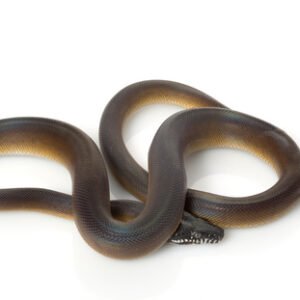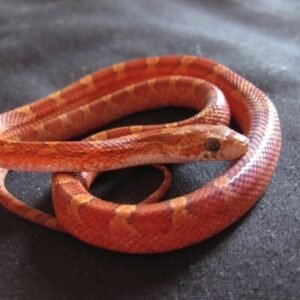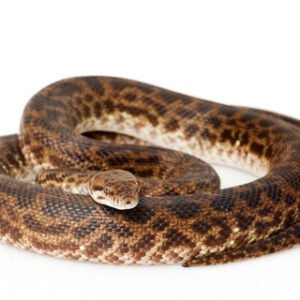
Introduction to Rosy Boas
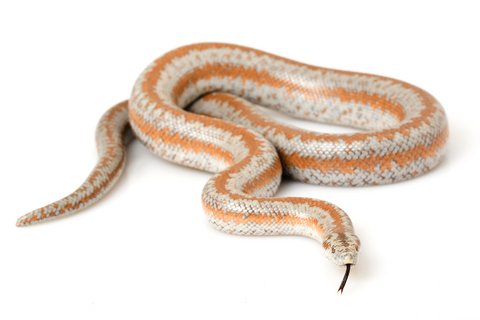
rosy boa for sale ,The rosy boa, scientifically known as Charina trivirgata, is a captivating species of snake belonging to the Boidae family. This non-venomous constrictor is primarily found in the southwestern United States and northwestern Mexico, thriving in various habitats that range from arid deserts to rocky foothills. The geographical distribution of rosy boas extends from California to Arizona, and further down into parts of Mexico, establishing their presence in regions where temperatures can fluctuate widely.
One of the most distinguishing features of the rosy boa is its striking coloration, which often includes hues of pink, orange, and brown. These vibrant colors are complemented by unique patterns that may include stripes or blotches, contributing to the snake’s beauty and making it highly sought after by reptile enthusiasts. Typically, rosy boas grow to a manageable size, averaging between 2 to 4 feet in length. This moderate size, coupled with a gentle temperament, contributes to their popularity in the pet trade.
In comparison to other boa species, the rosy boa is relatively small and exhibits a more subdued and docile personality. This trait makes them particularly appealing to both novice and experienced snake keepers. The rosy boa’s robust body and smooth scales further enhance its aesthetic appeal, allowing it to stand out among other members of the boa family. Overall, the rosy boa’s intriguing physical characteristics, alongside its adaptable nature, create a fascinating subject for both study and admiration, making this species an integral part of the reptile community.
Caring for a Rosy Boa as a Pet
When considering a rosy boa as a pet, it is essential to replicate their natural habitat to ensure their health and well-being. A spacious enclosure is vital; a tank of at least 40 gallons is recommended for adult rosy boas. The tank should feature a secure lid to prevent any escape attempts, as these snakes can be surprisingly adept at finding their way out. The substrate can vary, with options like aspen shavings, coconut husk, or reptile carpet being suitable choices. This substrate allows for both comfort and ease of cleaning.
Temperature and humidity within the enclosure are crucial factors to maintain. Rosy boas thrive in a temperature range of 75-85°F, with a basking spot being slightly warmer, approximately 90°F. Using heat mats or ceramic heat emitters can provide the necessary warmth. Humidity levels should be kept between 30-50%, with occasional misting of the enclosure to help maintain the desired moisture levels. Providing hides and climbing structures will help mimic their natural environment and offer important security for the snake.
Feeding a rosy boa primarily involves offering appropriately sized rodents, such as mice or rats, depending on their size. Adult rosy boas generally eat once every two weeks, while younger snakes may require feeding every week. Live prey can stimulate their natural hunting instincts, but it’s advisable to opt for pre-killed or frozen/thawed food for safety reasons. Handling the boa gently and infrequently allows them to acclimate to human interaction, reducing stress.
Common health issues in rosy boas include respiratory infections and mites. Regular health checks, maintaining a clean habitat, and ensuring proper temperature and humidity levels can prevent these problems. Knowledge of basic snake health will empower owners to identify and address any issues promptly, contributing to a long and healthy life for the rosy boa.rosy boa for sale