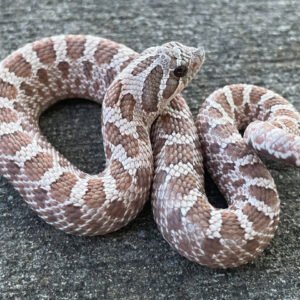
hognose snake diet
Overview of Hognose Snake Diet
hognose snake diet ,The hognose snake, known for its distinctive upturned snout, exhibits a diverse diet that reflects its adaptable feeding habits. In the wild, these snakes primarily consume a variety of prey, including small rodents, amphibians, and reptiles. Their diet predominantly consists of mice and rats, which provide essential nutrients required for their growth and sustenance. The opportunistic nature of hognose snakes allows them to exploit available food sources, an essential survival trait in fluctuating environments.
Different species of hognose snakes demonstrate variations in dietary preferences, showcasing an impressive adaptability to local ecosystems. For instance, the Eastern Hognose Snake often favors toads, utilizing its specialized feeding techniques to subdue these prey items. This dietary inclination highlights the specific ecological niches that these snakes occupy and their role in controlling the populations of amphibians and small mammals. Such predation is vital for the balance of local ecosystems and contributes to the natural regulation of prey species.
Feeding Hognose Snakes in Captivity
hognose snake diet ,Feeding hognose snakes in captivity requires careful consideration to ensure that these unique reptiles thrive. Hognose snakes are carnivorous and primarily eat small rodents, with a preference for mice and appropriately sized rats. When selecting prey items, it is essential to choose healthy and fresh options to maintain the nutritional value of the diet. Live prey can pose risks, particularly injury to the snake, so it is often safer to feed pre-killed or frozen-thawed animals, ensuring they are heated to a suitable temperature before serving.
The frequency of feeding hognose snakes varies depending on their age and size. Young hognose snakes should be fed every 5 to 7 days, transitioning to once every 7 to 14 days as they mature. Adult hognose snakes typically require feeding every 10 to 14 days. This structured feeding schedule helps maintain proper health and prevents obesity, which can lead to various health issues. It is also crucial to provide a diverse range of prey within their diet, such as pinky or fuzzy mice for hatchlings, gradually progressing to larger sizes as the snake grows.
Monitoring the condition of your hognose snake is pivotal in identifying potential dietary concerns. Signs of overfeeding include excessive weight gain and lethargy, while dietary deficiencies may manifest as lack of weight gain, abnormal shedding, or changes in behavior. If nutritional deficiencies are suspected, it may be beneficial to supplement their diet with vitamins and minerals, consulting a veterinarian specialized in reptiles for personalized recommendations. Overall, understanding the feeding habits and ensuring a balanced diet will contribute significantly to the well-being of your hognose snake in captivity.
Showing the single result
-
Snakes For Sale
western hognose snake
Original price was: $169.00.$129.00Current price is: $129.00. Add to basket